Complete Guide to Regulations for Habitable Wooden Chalets in France: Best Practices for Compliance with Chalet Regulations
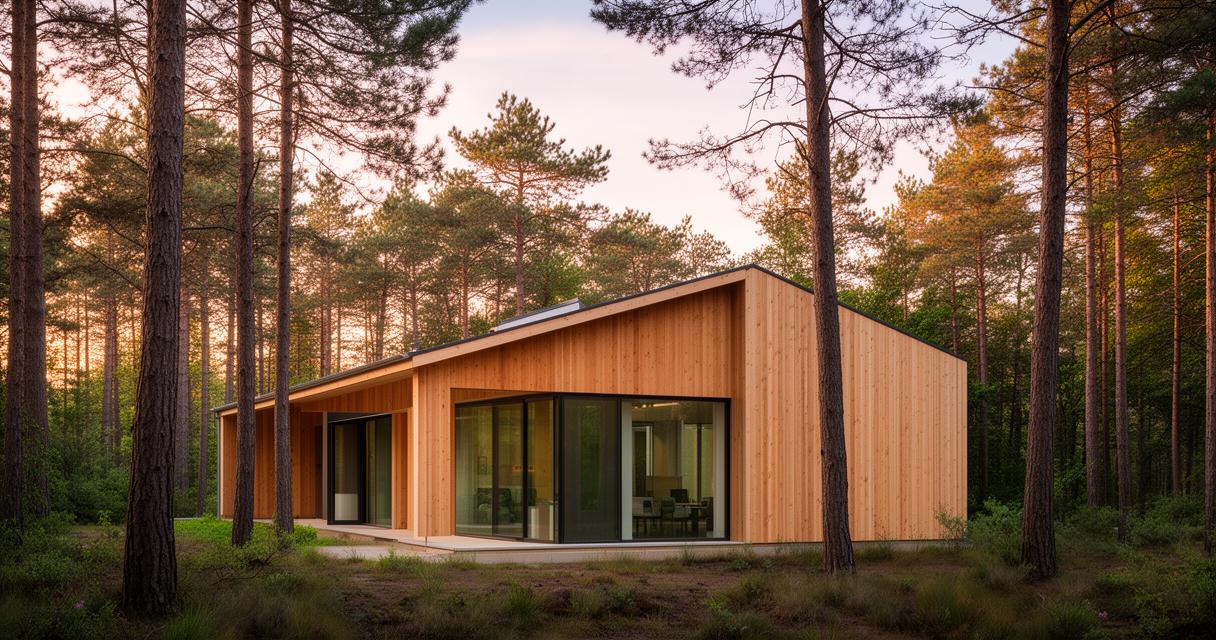
Building a habitable wooden chalet can feel like navigating a maze of rules, paperwork, and technical jargon, yet with the right guidance the process becomes far more manageable. Whether you are dreaming of a cosy garden retreat or a full-time residence nestled among the trees, understanding the regulatory landscape from the outset will save you time, money, and unnecessary stress further down the line.
Key takeaways
- Understanding French planning regulations is essential for building a habitable wooden chalet, as requirements depend heavily on the structure's size, intended use, and location.
- Full planning permission is typically mandatory for permanent dwellings, requiring detailed documentation such as site plans and scaled drawings to be submitted to local authorities.
- Size and land use thresholds, such as the thirty and fifty square meter limits, determine the level of regulatory scrutiny and compliance standards required for a project.
- Habitable wooden chalets must adhere to strict construction and insulation standards to ensure structural integrity, safety, and comfort for year-round occupancy.
- Choosing between various architectural styles and kit options allows for customization while still necessitating alignment with local planning guidelines.
- Owners of chalets used for rentals can benefit from the French star rating classification system, which offers tax advantages and social security reductions in exchange for meeting specific quality and sustainability criteria.
Understanding French Planning Regulations and Legal Requirements for Wooden Chalets
Before any timber is cut or foundations laid, it pays to get to grips with the legal framework governing log cabins and habitable wooden structures. In France, as in the UK, the rules hinge largely on the size, purpose, and location of the build. Many smaller garden structures fall under permitted development rights, meaning formal planning permission is not always required, provided certain criteria are respected.
Pre-declaration Processes and Local Planning Permissions for Habitable Structures
For anyone hoping to use a chalet as genuine living accommodation, full planning permission is generally unavoidable unless the structure is classified as a mobile home. The application itself is not overly complicated but does require proof of ownership, detailed site plans, scaled drawings, and payment of the relevant fee. Local authorities will scrutinise these documents carefully, so accuracy matters. It is worth noting that under UK property law, permitted development allows some garden structures to bypass this formal process altogether, though the same leniency does not automatically apply once the building becomes a permanent dwelling rather than a simple outbuilding or hobby space.
Surface Area Regulations and Land Use Planning Guidelines for Wooden Dwellings
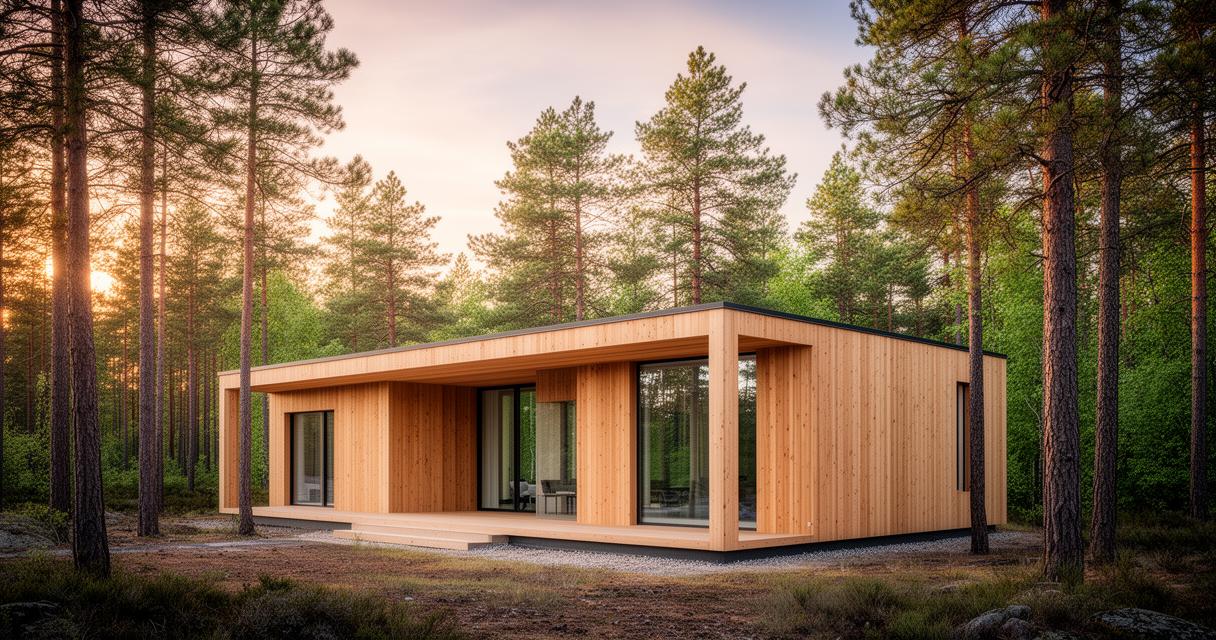
Size restrictions play a pivotal role in determining whether a project needs sign-off from planners. Structures must not exceed half the available land surrounding the main house, and height restrictions apply depending on proximity to boundaries. Cabins exceeding thirty square metres typically trigger certain building regulations, while anything beyond fifty square metres brings additional requirements into play. These thresholds exist to ensure that land use remains balanced and that neighbouring properties are not adversely affected by oversized garden structures.
Construction Standards and Technical Specifications for Habitable Wooden Chalets
Once the legal groundwork is sorted, attention turns to the physical build itself. Quality construction is not just about aesthetics; it directly affects safety, longevity, and comfort. Building regulations exist precisely to guarantee structural integrity, particularly for any space intended for sleeping or daily living.
Framework Requirements, Cladding Materials and Roof Specifications for Quality Construction
The skeleton of any chalet, its framework, needs to be robust enough to withstand weather, settling, and time. Choosing appropriate cladding materials is equally important, both for weatherproofing and visual appeal. Roof specifications must account for drainage, insulation, and local climate conditions, ensuring the structure remains watertight throughout the seasons. These elements collectively determine the overall structural integrity of the build, which building inspectors will assess closely if the chalet exceeds the size thresholds mentioned earlier.
Insulation Standards, Space Requirements and Habitability Criteria for Year-Round Living
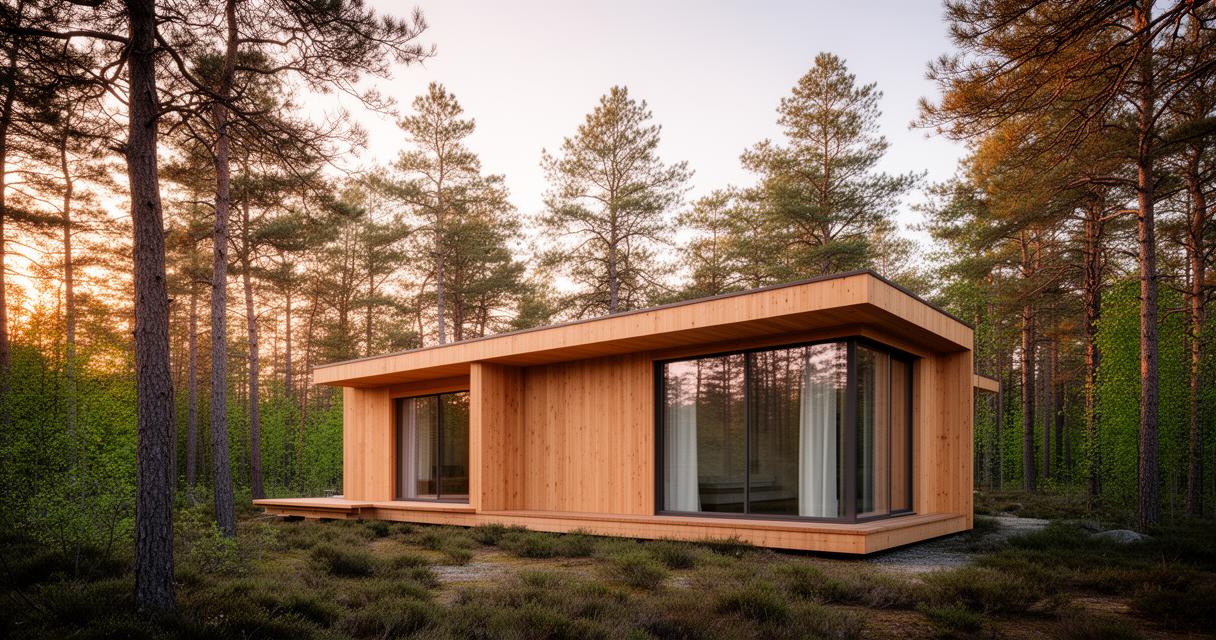
A chalet intended for year-round occupation demands far more than a charming exterior. Proper insulation is non-negotiable if the building is to remain comfortable through winter chills and summer heat alike. Space requirements also come into play, dictating minimum ceiling heights, room dimensions, and ventilation standards. These habitability criteria ensure the property functions as a genuine home rather than a glorified shed, and they form a core part of the assessment when authorities determine whether a structure qualifies as living accommodation.
Design Considerations and Project Planning for Your Wooden Chalet Build
Beyond compliance, there is the exciting part: shaping a chalet that reflects your taste while serving its intended purpose, whether that be a family home, a rental investment, or a peaceful garden room retreat.
Architectural Style, Ground Floor Designs and Kit Options for Garden Retreats
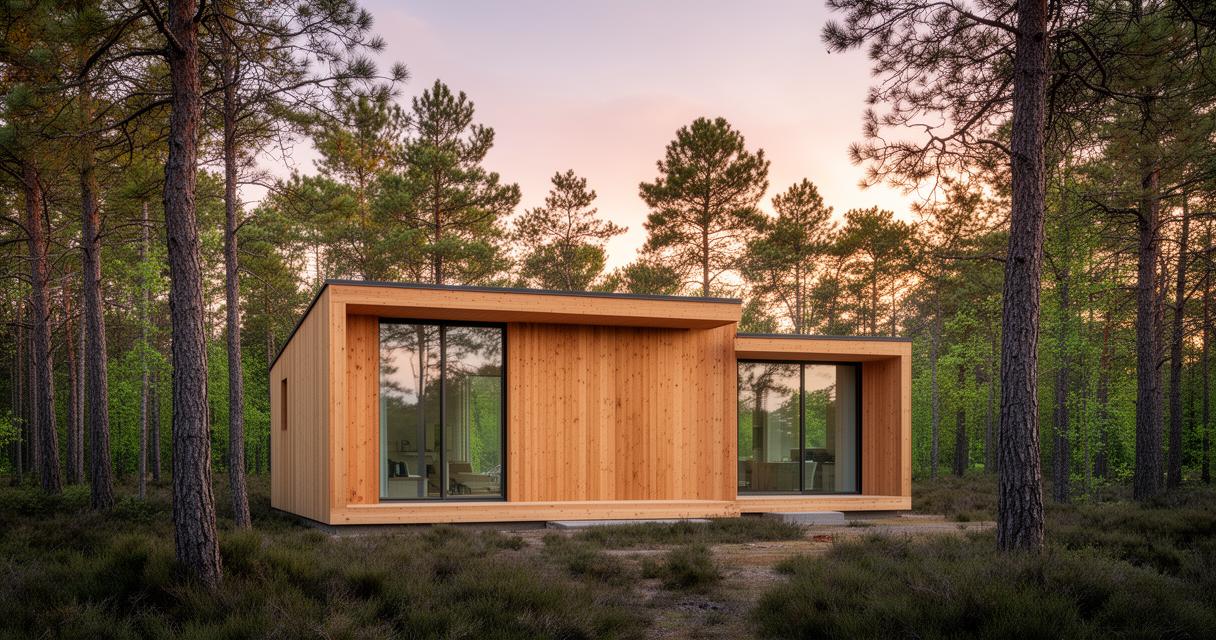
From rustic Alpine-inspired designs to sleek, modern lines, the architectural style you choose will shape both the planning process and the finished result. Ground floor layouts can range from open-plan living spaces to more traditional compartmentalised rooms, and many suppliers now offer flexible kit options, allowing buyers to tailor their chalet to specific needs without starting from scratch. This flexibility has made wooden chalets increasingly popular not just as private homes but also as rental properties.
Speaking of rentals, France operates a distinctive star rating system for holiday accommodation, not unlike the hotel classification familiar to travellers everywhere. This voluntary France rental classification scheme assesses properties against roughly one hundred and thirty criteria, grouped into three categories: equipment, which accounts for half the available points, services, contributing three tenths, and sustainability criteria, making up the remaining fifth. A one-star rating suggests simple, no-frills accommodation, while five stars signals a genuinely luxurious offering.
Opting into this classification brings tangible benefits. Owners can access tax deductions of up to seventy-one per cent on income under twenty-three thousand euros, alongside reduced social security charges and a higher turnover threshold under the micro-enterprise regime. The tourist tax structure also rewards classified properties, since unclassified accommodation is charged at the maximum rate regardless of actual quality. The process itself begins with a formal request for classification, followed by a property inspection and a proposed rating, which owners have a fortnight to accept or contest. Once granted, the classification remains valid for five years before requiring renewal, and any change of ownership means starting the entire process afresh.
Pricing Strategies, Product Safety and Lifetime Considerations for Construction Works
Cost inevitably influences every decision along the way, from choosing materials to selecting a builder. Sensible pricing strategies balance upfront investment against long-term durability, since cutting corners on product safety or material quality often proves costlier down the line through repairs or replacements. The expected lifetime of a wooden chalet depends heavily on construction quality, maintenance routines, and the materials chosen at the outset. Investing wisely at the planning stage, rather than seeking the cheapest option available, tends to deliver far better value over the years, ensuring your chalet remains a sound, comfortable, and compliant home for decades to come.