Constat Huissier Avant Travaux: Que Faut-Il Savoir? Understanding the Risks of DIY Property Records Versus Professional Bailiff Surveys

When embarking on any substantial building project, whether it involves a straightforward renovation or a full-scale extension to your home, one often-overlooked aspect stands as a bulwark against future disputes: the formal documentation of your property's condition before the first hammer swings. In the realm of construction and property law, this pre-emptive measure, particularly when carried out by a professional bailiff, establishes an irrefutable record that can prove invaluable should questions arise about damage or liability once the dust settles. Understanding the difference between amateur attempts at documentation and a properly conducted survey can mean the distinction between a smooth resolution and a protracted legal headache.
What Exactly Is a Constat Huissier Avant Travaux and Why Does It Matter?
Defining the Formal Pre-Works Survey: A Bailiff's Role in Property Documentation
A constat huissier avant travaux represents a meticulously prepared legal record compiled by a bailiff before any construction activities commence. The bailiff, acting as an independent and impartial officer of the court, conducts a thorough inspection of the property and, crucially, neighbouring premises. This inspection captures the state of walls, foundations, roofing, any visible cracks, signs of damp, and other structural features that exist before the building site becomes operational. The resulting document is not merely a collection of observations but a formally authenticated record that carries significant legal weight in any subsequent proceedings. Unlike informal photographic evidence or personal notes, this survey is prepared by a qualified professional whose role is enshrined in law, ensuring that the findings are treated with the utmost seriousness by courts and insurance companies alike.
The Legal Weight of an Official Record: Protecting Your Interests Before the Chantier Begins
The value of this formal documentation lies in its capacity to serve as definitive proof of pre-existing conditions. Should a neighbour later claim that your building works caused damage to their property, the constat provides a clear baseline against which any alleged damage can be measured. Similarly, if your builder contests liability for structural issues that arise during the project, the survey can demonstrate whether these problems existed beforehand or emerged as a consequence of the construction activities. In legal terms, this record stands as evidence that is difficult to challenge, offering you a robust defence against unfounded claims and protecting your financial interests. The peace of mind that comes from knowing you have an unassailable document to fall back on cannot be overstated, particularly when dealing with projects that involve significant investment and potential disruption to multiple parties.
The Perils of DIY Documentation: Why Amateur Records Fall Short in Disputes
Photographs and notes versus professional evidence: what actually holds up under scrutiny
Many property owners, keen to save costs, attempt to document the condition of their premises and neighbouring properties using smartphone cameras and written notes. While such efforts are well-intentioned, they often prove woefully inadequate when disputes escalate. Photographs taken by a homeowner lack the formal authentication and impartiality of a bailiff's survey. In a legal setting, questions about the date, authenticity, and completeness of such images can easily undermine their evidential value. Written notes, no matter how detailed, are similarly vulnerable to challenge, particularly if they fail to follow a structured methodology or miss critical details. Courts and adjudicators favour evidence that has been prepared by certified, independent professionals who adhere to established standards. Without this level of rigour, your documentation may be dismissed or given little weight, leaving you exposed in any subsequent legal battle.
Neighbour disputes and builder claims: when your word isn't enough without proper documentation
The reality of construction projects is that they often lead to strained relations with neighbours and, occasionally, disputes with contractors. Builders may argue that damage they are accused of causing was already present, while neighbours might attribute entirely unrelated deterioration to your building activities. In such scenarios, the burden of proof can become a contentious issue. Without a professionally prepared survey, you may find yourself unable to convincingly demonstrate the true sequence of events. Neighbours might produce their own photographs or witness statements, and without a formal baseline established by a bailiff, the matter can devolve into a frustrating he-said-she-said situation. The cost of defending yourself in such circumstances, both financially and emotionally, can far exceed the expense of commissioning a pre-works survey in the first place. The reality is stark: your word alone, however honest, may not suffice when significant sums of money or legal liability are at stake.
What Does a Professional Bailiff Survey Actually Cover During the Inspection?
Documenting Pre-Existing Conditions: From Cracks in Walls to Structural Concerns on Your Property and Neighbouring Premises
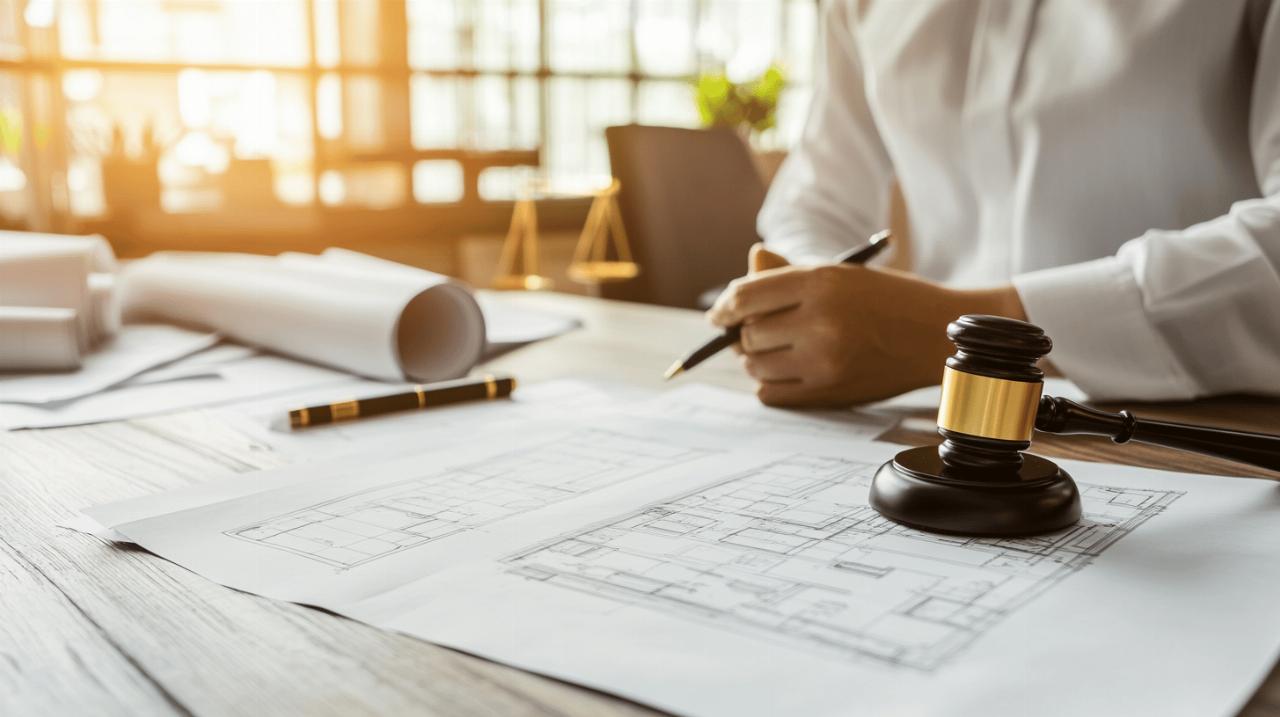 During a formal inspection, the bailiff conducts a comprehensive examination that leaves little to chance. Every room, external wall, boundary feature, and accessible structural element is scrutinised and recorded. The survey captures visible cracks, their location, size, and orientation, as well as signs of subsidence, water ingress, or other defects. Importantly, the inspection extends beyond your own property to encompass neighbouring buildings, shared walls, and boundary structures. This inclusive approach ensures that any damage claimed by a neighbour can be compared against the documented state at the time of the survey. The bailiff may also take photographs, annotated plans, and detailed written descriptions, all of which are compiled into a formal report bearing the bailiff's signature and stamp. This document becomes a permanent record, immune to the fading memories or selective recollections that can cloud informal agreements.
Creating an Irrefutable Baseline: How Detailed Evidence Protects You Throughout the Building Works
The detailed evidence gathered by the bailiff serves as a benchmark throughout the duration of your building project. Should any new damage occur, the original survey allows for a clear comparison, enabling you to determine whether the issue was pre-existing or arose during the works. This clarity is invaluable not only in disputes with neighbours or contractors but also in dealings with insurers, who may require proof of the timeline and causation of any damage. The survey's thoroughness means that even minor defects are recorded, providing a complete picture that leaves little room for ambiguity. In cases where disputes do escalate, the availability of such detailed evidence can expedite resolution, often discouraging spurious claims once it becomes clear that you possess a robust, professionally prepared record. The investment in a bailiff's survey thus pays dividends not only in legal protection but also in the confidence and security it provides as your project progresses.
Making the Right Choice: When to Invest in a Constat Huissier for Your Building Project
Assessing risk versus cost: which types of travaux genuinely require professional pre-works documentation
Not every building project demands the formality of a bailiff's survey, and understanding when such an investment is justified requires a careful assessment of risk. Major works, such as extensions, loft conversions, underpinning, or projects involving significant excavation or structural alterations, carry a higher risk of affecting neighbouring properties. In such cases, the potential for disputes is considerable, and the cost of a survey is a prudent precaution. Similarly, if your property shares walls or boundaries with neighbours, or if there are existing tensions or concerns about the condition of adjacent buildings, a formal survey becomes even more advisable. On the other hand, minor internal refurbishments, such as redecorating or replacing fixtures, generally pose little risk and may not warrant the expense. The key is to weigh the scale and nature of the works, the proximity and condition of neighbouring properties, and your tolerance for risk. Consulting with your builder, solicitor, or a surveyor can help you make an informed decision about whether a constat huissier avant travaux is a sensible addition to your project planning.
Avoiding Legal Battles and Financial Loss: The Long-Term Value of a Proper Bailiff Survey Before Construction
The long-term value of a professional bailiff survey extends far beyond the immediate documentation of property conditions. By establishing a clear and indisputable record before construction begins, you create a shield against the financial and emotional toll of legal disputes. Defending yourself in court or through arbitration can be extraordinarily expensive, involving solicitors' fees, expert witnesses, and the opportunity cost of time spent away from other pursuits. Even if you ultimately prevail, the process can be draining and disruptive. A well-prepared survey can deter unfounded claims, as potential adversaries recognise the strength of your documentation. It can also facilitate swifter settlements, as insurers and legal advisors on both sides acknowledge the credibility of the evidence. In this sense, the cost of a constat huissier avant travaux should be viewed not as an optional extra but as a strategic investment in risk management. The peace of mind it affords, coupled with the tangible protection it provides, makes it an essential consideration for anyone undertaking significant building works. By taking this step, you ensure that your focus remains on the successful completion of your project, rather than being diverted by disputes and recriminations that could have been avoided with proper foresight and planning.